
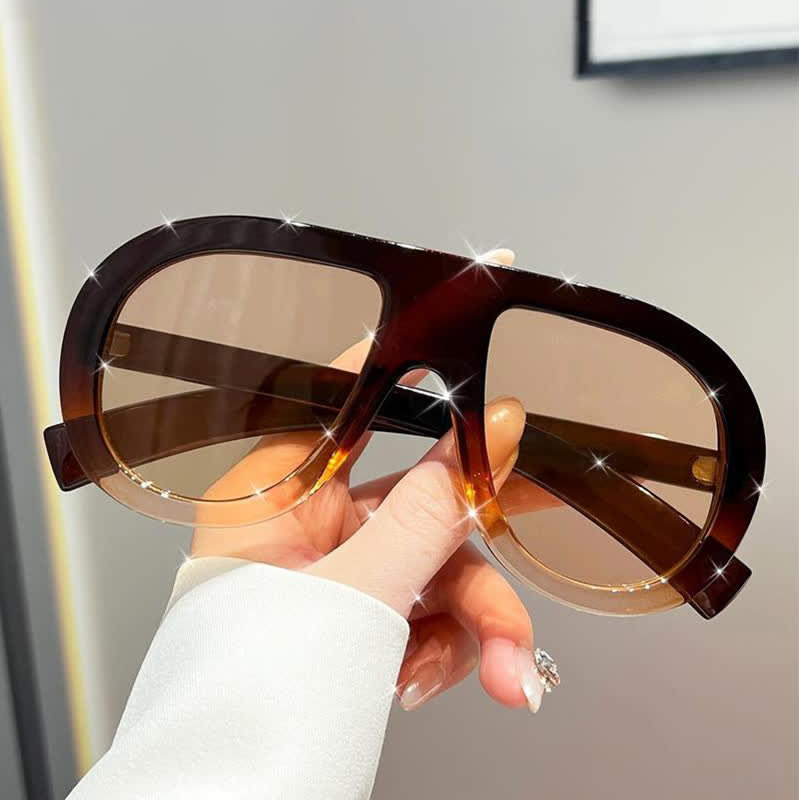
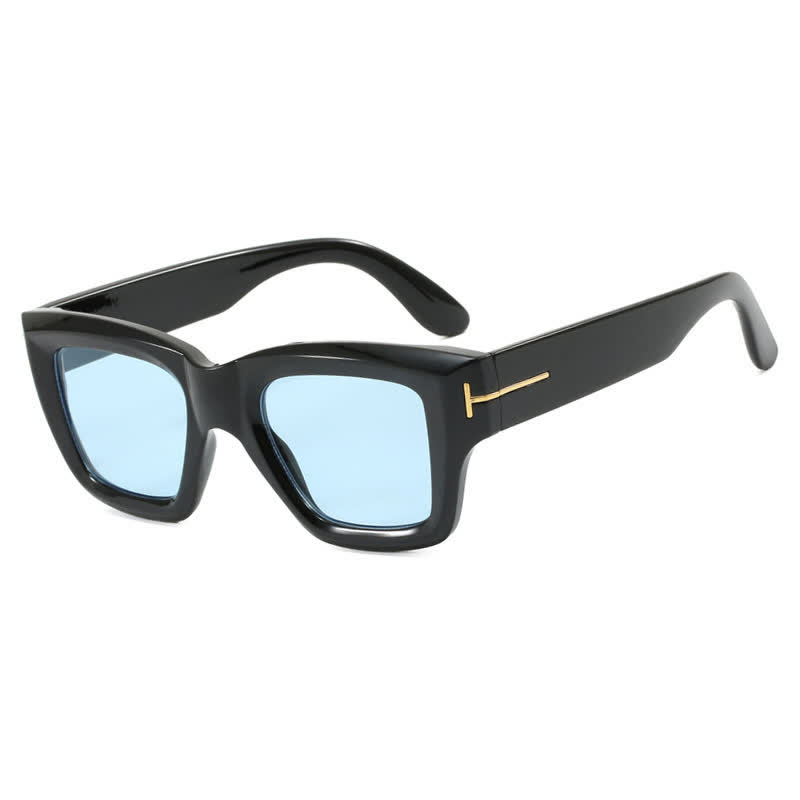
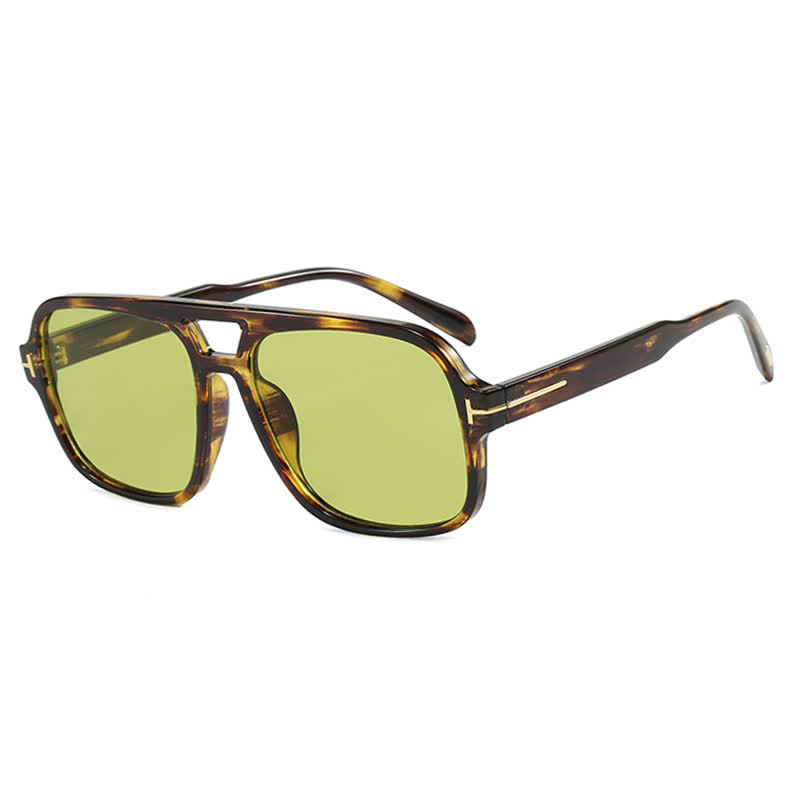
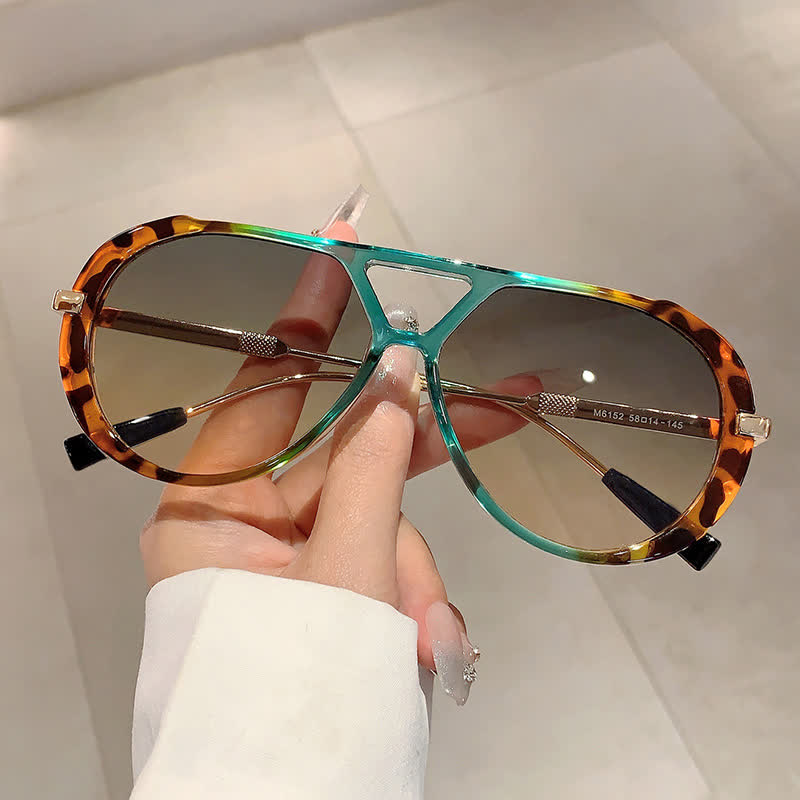
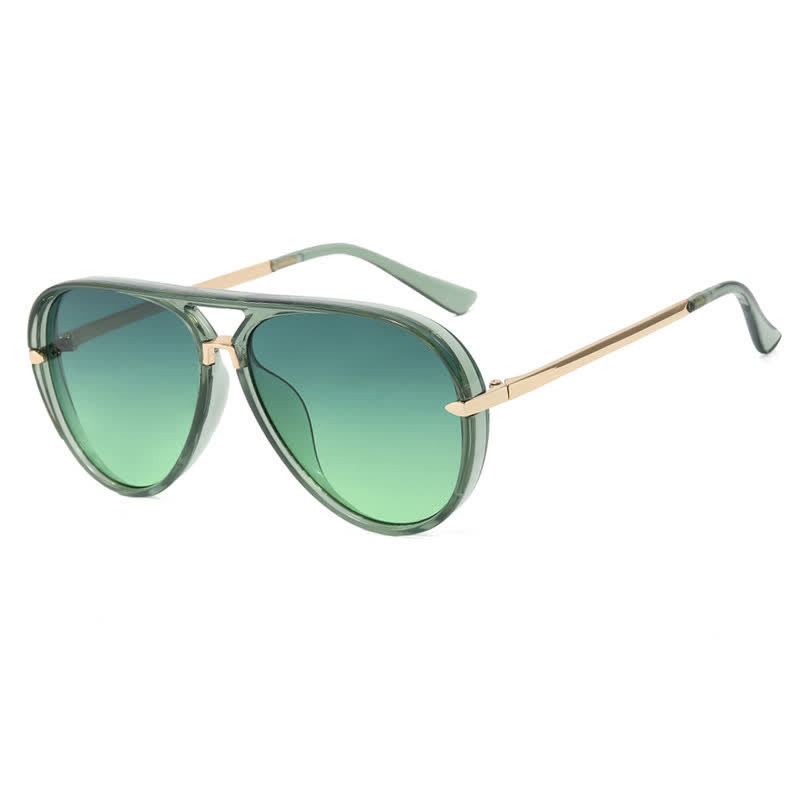
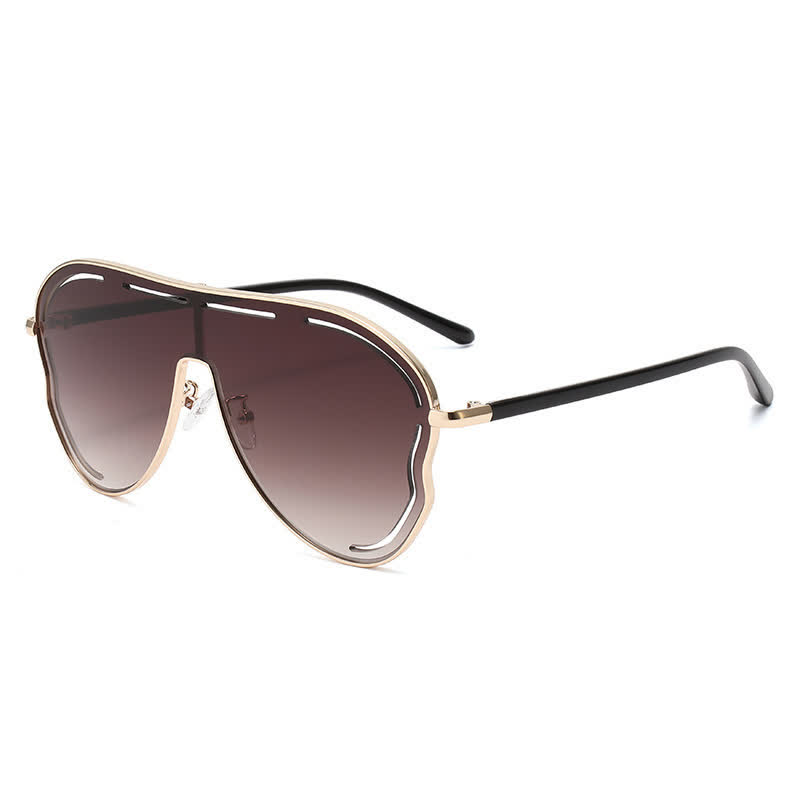
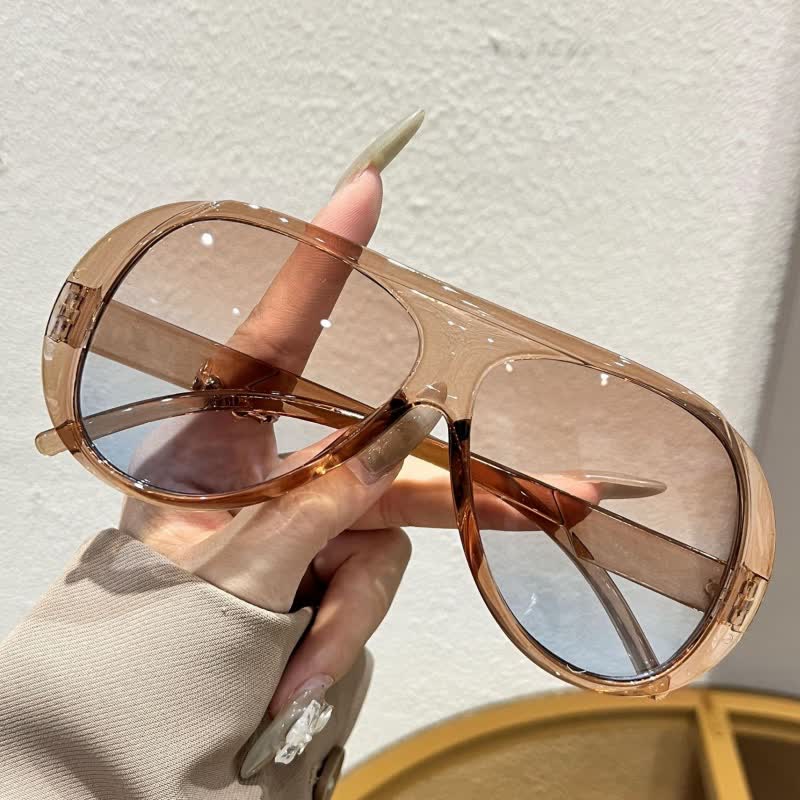
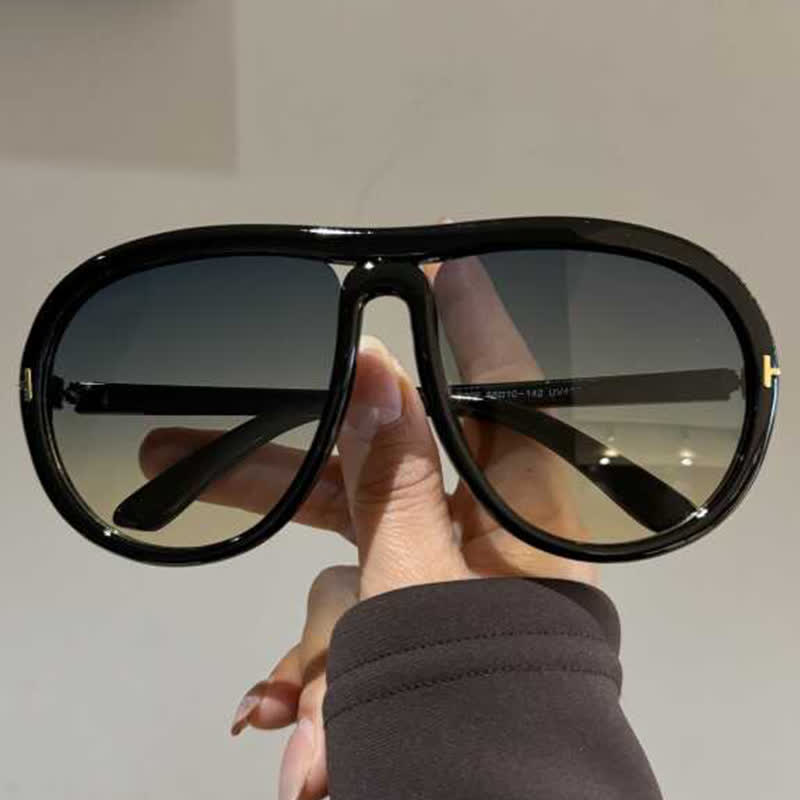
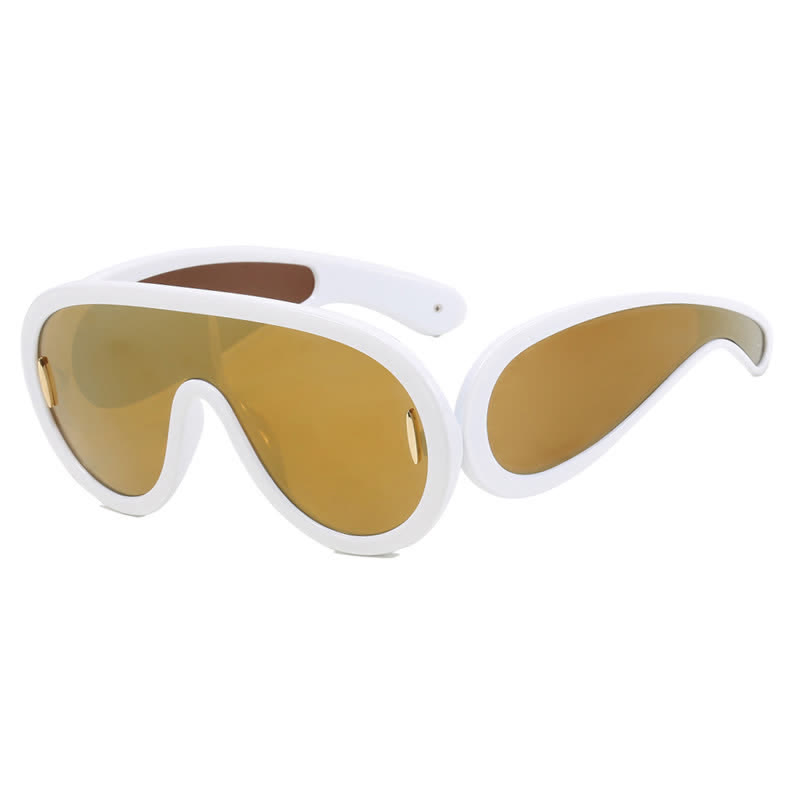
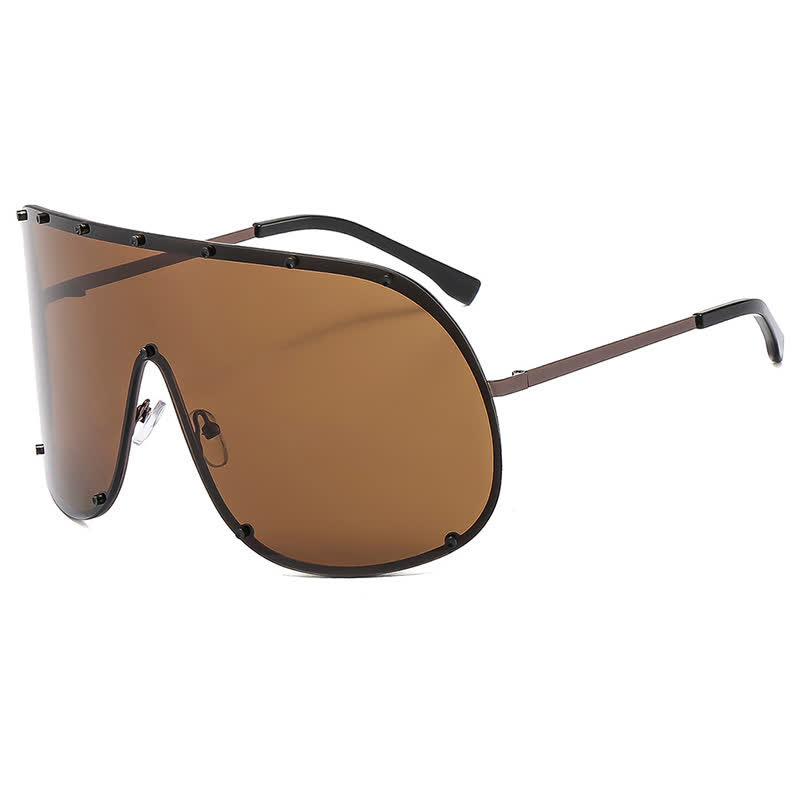
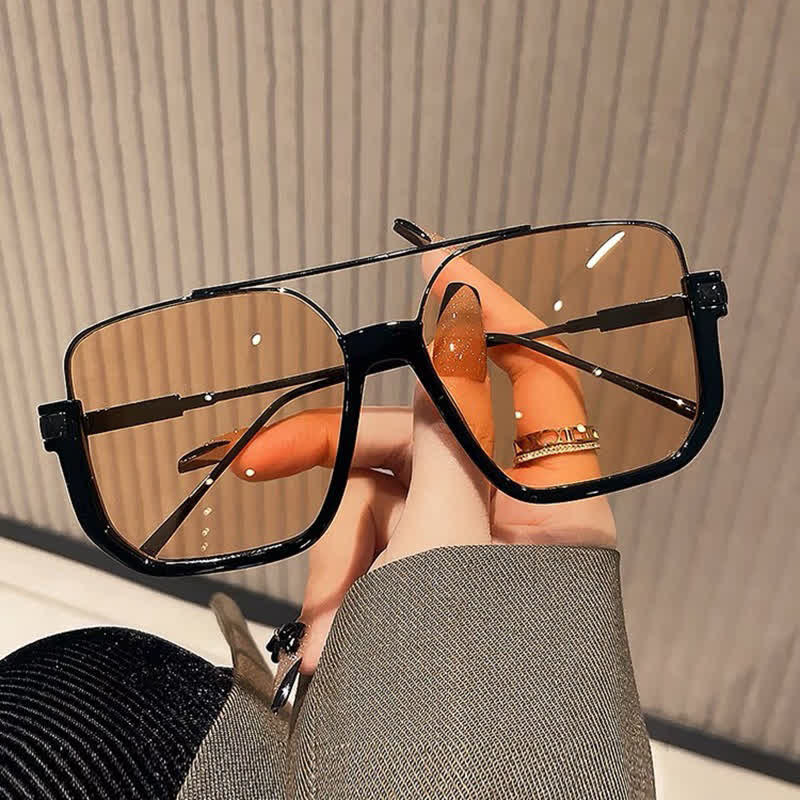
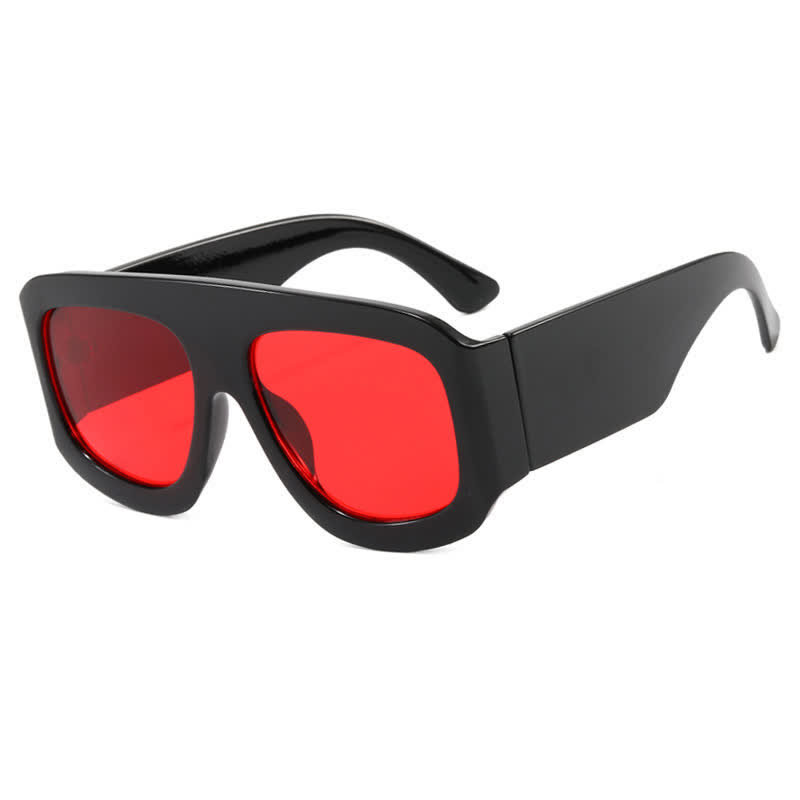
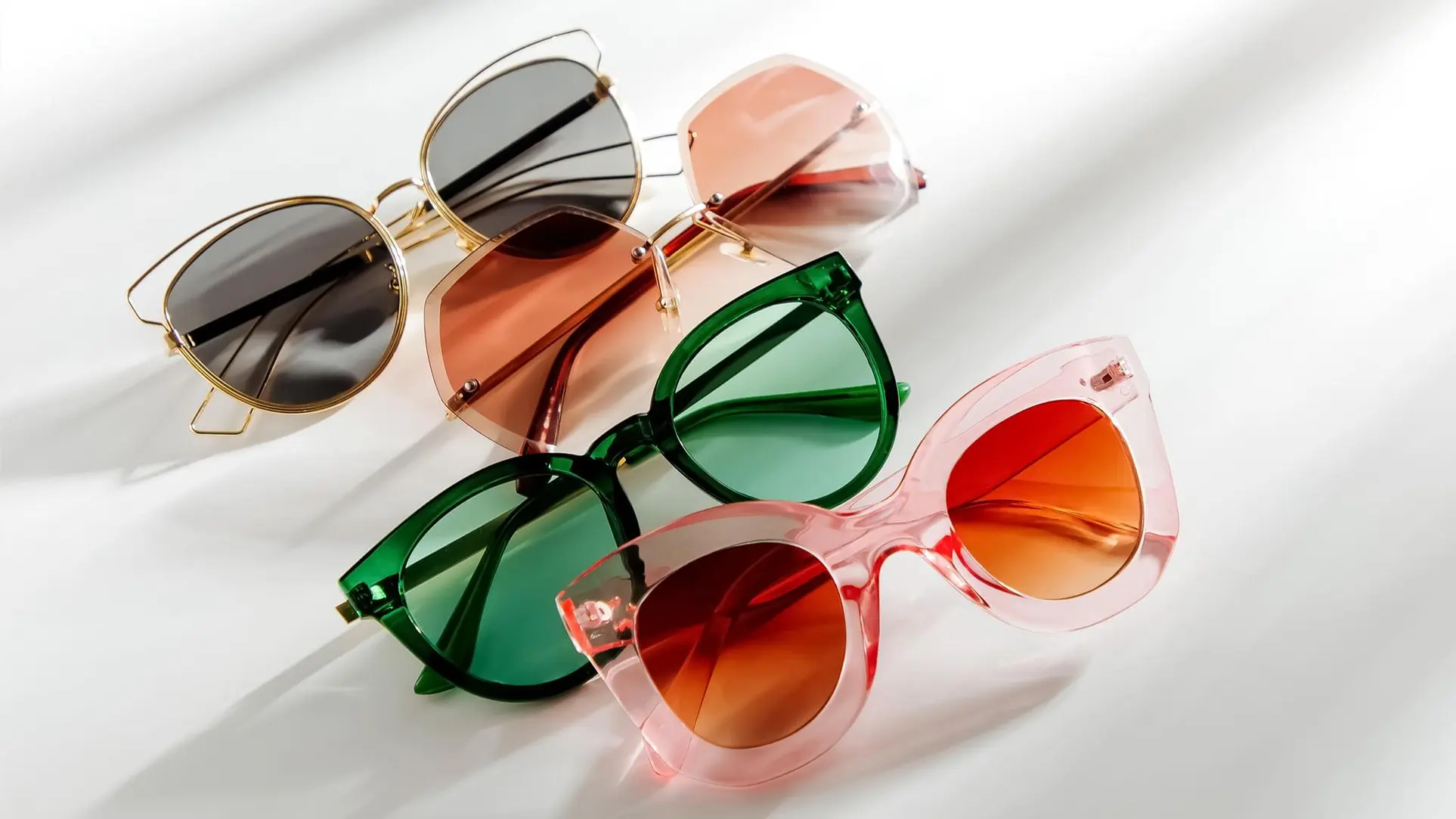
Spykay offers thousands of eyewear styles to choose from. Did you know every frame maybe has a lens tint style? Take a look at all tinted sunglasses and select the perfect lens tint to fit your needs.
Tinted Glasses for Light Sensitivity & Migraines
If you frequently experience discomfort from harsh sunlight when you're outdoors and have developed a strong preference for always wearing sunglasses in such conditions, it's likely that your eyes have become accustomed to the darker lens tints in your sunglasses.
Sunglasses offer crucial protection against various ocular hazards, such as cataracts and macular degeneration, making them essential for outdoor use. However, a potential drawback of consistently wearing sunglasses whenever you are outside is that your eyes may struggle to adjust to natural sunlight.
This adjustment difficulty can lead to discomfort when transitioning from outdoor to indoor environments, as your eyes have grown accustomed to darker tints. Indoors, you may experience light sensitivity, yet the dark lenses of your sunglasses are impractical for proper vision in low-light settings. Additionally, there can be a social awkwardness associated with wearing heavily tinted glasses indoors, prompting some to question the appropriateness of this practice in social contexts.
This predicament can indeed be challenging for eyewear enthusiasts. Your eyes may favor the comfort of lens tints, yet standard sunglass tints are often too dark for indoor use. Transitioning between outdoor and indoor spaces can become a frustrating and, at times, disorienting experience. While a brightly lit indoor area might be comfortable for your friends and family, it can make you feel out of place due to the discomfort from the sudden change in lighting.
Rather than the option of wearing your sunglasses indoors or constantly switching back to your clear glasses, lightly tinted glasses can offer a practical compromise. These glasses typically feature a subtle tint that reduces glare and light sensitivity without significantly impairing indoor vision.

5 Types of Sunglass Lens Tints
When you think about lens tints for sunglasses, several common categories come to mind. Here are some popular lens tints offered for sunglasses:
- 1. Tinted Sunglasses:
Light Tint (20%): Offers minimal tinting, reducing light exposure slightly and easing glare outdoors. Suitable for low-light conditions or when a slight reduction in brightness is needed.
Medium Tint (50%): Provides moderate tinting for balanced light reduction. Ideal for partly sunny conditions and general outdoor activities.
Dark Tint (80%): Delivers maximum tinting for bright, sunny conditions. Offers significant light reduction and is excellent for intense sunlight. - 2. Gradient Sunglasses:
These lenses feature a smooth transition from a darker tint at the top (up to 90%) to a lighter tint at the bottom (as low as 10%). This design provides optimal protection from overhead sunlight while allowing clearer vision through the lower part of the lens, making them ideal for driving or reading outside. - 3. Flash Mirrored Sunglasses:
These lenses have a reflective outer layer, often called a "flash coating," which adds a stylish, mirrored effect. This layer reflects more light than standard lenses, offering enhanced glare reduction and a unique look. The base lens tint is dark, providing substantial light protection. - 4. Polarized Sunglasses:
Polarized lenses come with a special filter that blocks horizontal light waves, significantly reducing glare from reflective surfaces like water, snow, and roads. These lenses usually have a dark tint, making them perfect for activities like fishing, skiing, and driving. - 5. Light-responsive Glasses:
Also known as Photochromic or Transitions® lenses, these glasses automatically adjust their tint based on light exposure. They become darker in bright sunlight and lighter in low-light conditions or indoors. These lenses provide versatility and convenience for those who frequently move between different lighting environments.
By understanding the different types of sunglass lens tints, you can choose the right eyewear to fit your lifestyle and lighting needs, ensuring optimal comfort and protection for your eyes.
Lightly Tinted Glasses
Tinted lenses can indeed enhance contrast and reduce eye fatigue, providing comfort for eyes sensitive to indoor light, especially with a light 20% tint. Additionally, different color tints can offer unique benefits for your vision. Here's a breakdown of how various color tints can enhance your visual experience:
Common Tint Colors and Their Benefits:
- 1. Gray Tint:
Benefits: Neutral color that reduces overall brightness while preserving natural color balance.
Ideal For: Everyday use, bright sunny conditions, driving, and outdoor sports. - 2. Brown/Amber Tint:
Benefits: Enhances contrast and depth perception by filtering out blue light. Offers a warmer hue that can brighten cloudy days.
Ideal For: Variable light conditions, golf, fishing, and water sports. - 3. Yellow/Gold Tint:
Benefits: Significantly enhances contrast and depth perception in low-light conditions. Effective in filtering blue light and reducing glare.
Ideal For: Dusk, dawn, foggy conditions, indoor sports, and shooting. - 4. Green Tint:
Benefits: Reduces glare while providing high contrast and visual sharpness. Offers a natural color balance.
Ideal For: General outdoor use, field sports, and activities in variable light conditions. - 5. Blue/Purple Tint:
Benefits: Primarily used for fashion, these tints can make for a unique statement while still filtering UV rays.
Ideal For: Fashion eyewear, and light to medium brightness conditions. - 6. Rose/Red Tin:
Benefits: Enhances contrast by blocking blue light, making the surroundings appear sharper. Reduces eye strain and enhances visual depth.
Ideal For: Snow sports, cycling, and activities requiring enhanced visual acuity.
Choosing the Right Tint:
- Indoor Use: For eyes sensitive to indoor light, a light 20% tint in yellow, rose, or amber can be particularly beneficial, enhancing contrast and reducing eye fatigue without darkening vision too much.
Outdoor Activities: For outdoor use, consider darker tints like gray or brown (50% to 80%) to protect against bright sunlight while enhancing visual comfort and clarity.
Specific Needs: Think about your specific activities and lighting conditions. For example, if driving in varying light conditions, gradient lenses can offer the best of both worlds by providing sun protection from above without compromising dashboard visibility.
By selecting the appropriate tint color and density, you can tailor your eyewear to your specific visual needs, enhancing comfort and performance across various activities and environments.
About Spykay
Spykay allows eyewear lovers to check out the latest tinted glasses! Browse thousands of styles for men and women and easily add your favorite lens tints to your purchase.